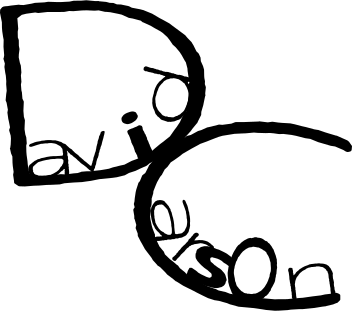
David Carson, born on September 8th, 1995, is an American graphic designer and often attributed as one of, if not the, creator of the ‘grunge’ style.

Carson’s influence in type is a part of his overall influence on late 80s post-modernism in graphic design. Carson’s work can be described as de-constructivist: in contrast to many modernist design philosophies prioritizing minimalism and function, Carson takes a more abstract approach, considering the character and emotion, as well as the connotations, of every element before their denotative function and placement. This philosophy is extremely visible in his work for Raygun and Beach Culture magazines, which kick-started the grunge movement in design.
Another key influence Carson had on graphic design and type was in how surf and skateboarding culture bled into the mainstream through his work. Carson was a professional surfer before his graphic design career, and worked at Transworld Skateboarding as an art director as one of his early jobs; his ties and experiences in these underground “street-cultures” no doubt influenced his work throughout his life, especially the angst and counter-culture in his early work. He set the mood for what underground culture should look like in the 90s: raw, dirty, emotional, new; a new focus on questioning why things were the way they did, better yet, a rejection of tradition and norms in their entirety.
In typography, Carson’s influence can be found in his rejection of the grid, often setting type by hand based on the layout, rather than following rigid column and row guides; this technique would be imitated frequently for the next decade, but was often hit or miss, often relying on taste and vision of the designer.
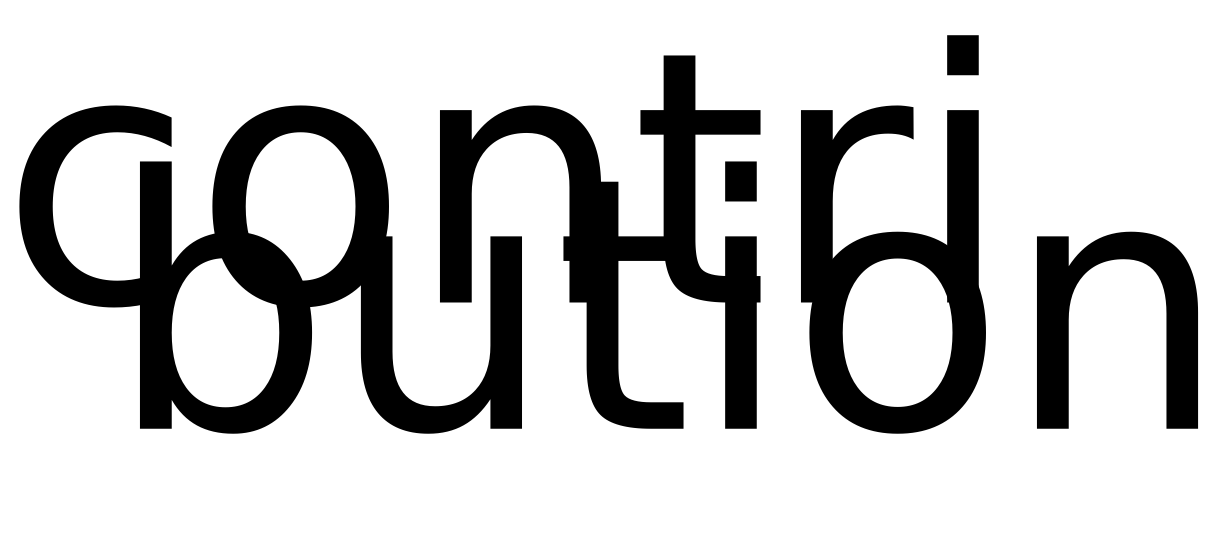
Carson’s most significant contribution to typography is within the fundamental rejection of structure, guides, tradition, and norms of type, and the embracement of emotion and impressions in its replacement. At the time, the most important thing type could do for the observer is convey information, and foreshadow the message of the content found within it. It was due to this that clarity and legibility of type was one of its most sacred elements, not to be disturbed at all costs; the philosophy was that, if the observer cannot read the words, why even write them at all? A lack of legibility meant that the type has failed its fundamental purpose of transmitting information. Carson however, had a different view.
Carson felt that the shape of type, where it was on a page, the style of it, and its abstract relationship to other elements in a composition were where the true information of type came from; in a way, he felt the message wasn’t just in the words, but in the way you read them, the raw emotions you feel from it. By questioning the fundamental purpose of type, Carson was able to approach it from a fresh, new perspective. While his work was often critiqued for being difficult to read, often due to its abandonment of any and all typical conventions related to legibility, this difficulty was, in fact, the point.
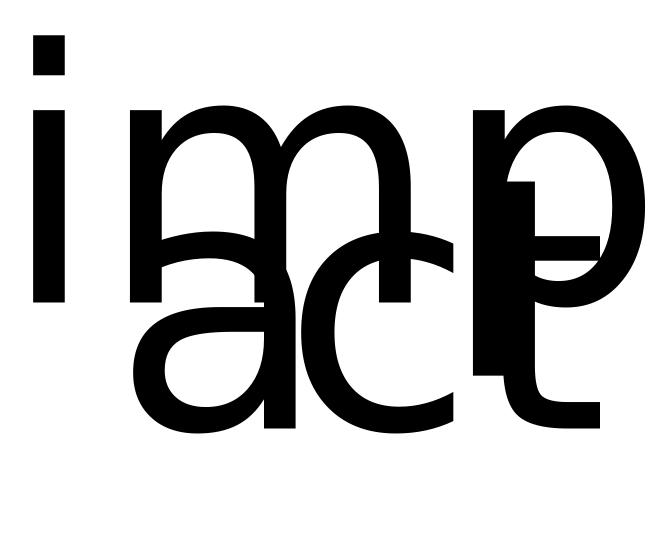
Carson’s impact in the field of typography is most apparent in the way type was treated in the 90s and early 2000s; the shift from type being a medium of a message into being the message in and of itself became a common theme in this period. Along with this, the aesthetic and mood of Carson’s work helped push the ideas from 80s postmodernism into the cynical, almost nihilistic mood of the mid-late 90s. In type, these two impacts could be seen in the juxtaposition of ‘clean’ serif fonts and dirty visuals/subjects, and the influence of graffiti lettering on set type.
A clear example of this influence can be found in the work of Chris Ashworth: an art director of Ray Gun magazine after Carson left, Ashworth uses similar media and technique as Carson in his work, capturing the dirty, street-borne feeling. Ashworth even referred to his style as “swiss-grit”, referencing the way he repurposed ‘bland’ swiss fonts such as Helvetica for dark and grimy compositions (though notably Carson refused to use Helvetica in his own work).
The sarcastic and counter-culture tones of the 80s and 90s, of which Carson’s work pushed to its limits, can also be seen in other artists of the time, such as the British studio, The Designer’s Republic, who were infamous for their cynical attitude. Though they had different aesthetics, especially in their choice of typefaces, the treatment of type and the emotion and character it holds as an equal to the literal meaning of the text is a shared theme between them.
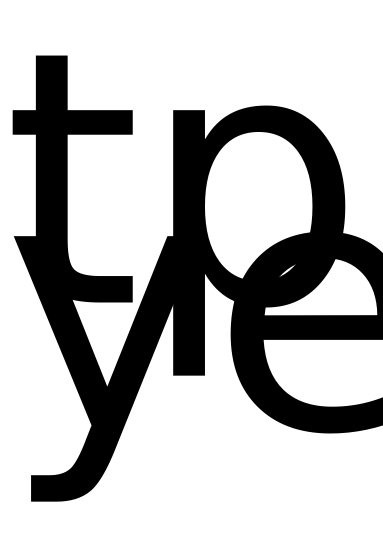
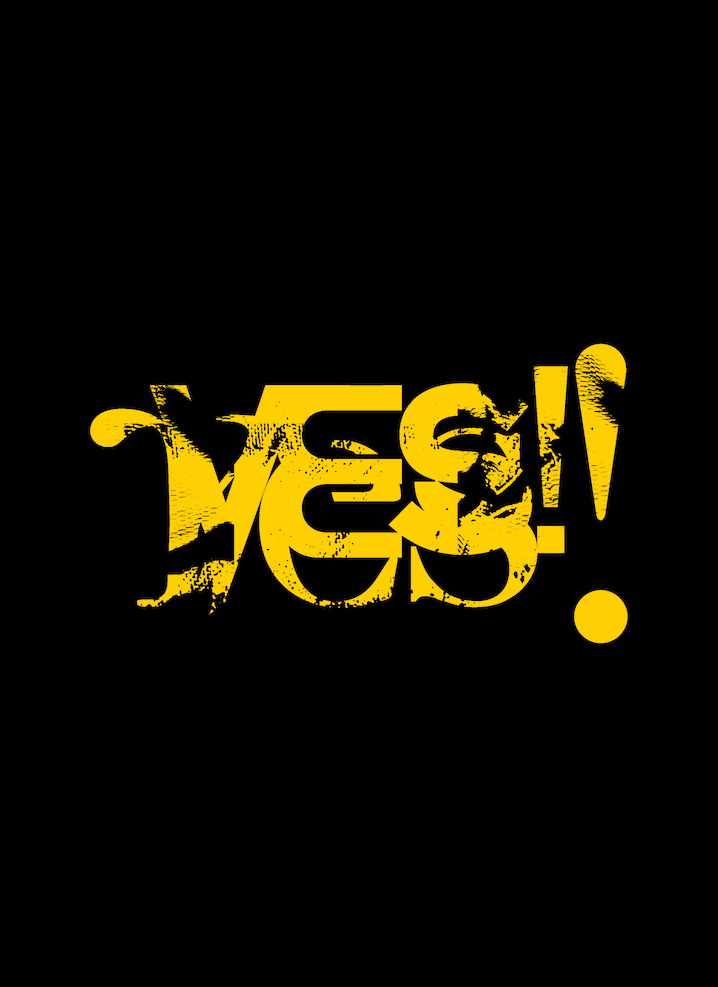
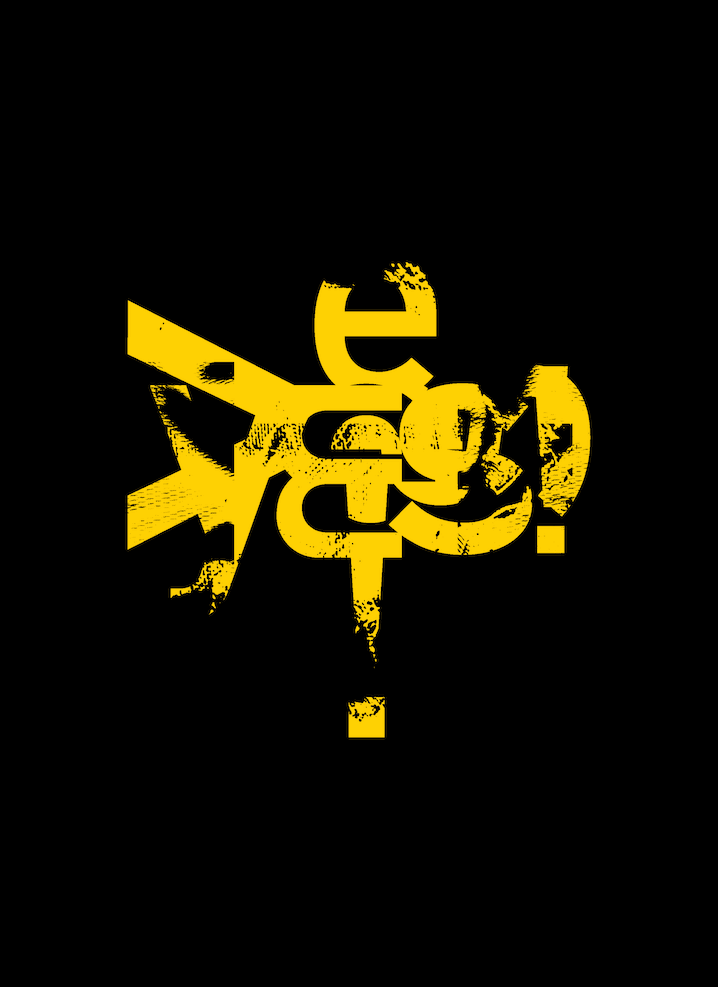
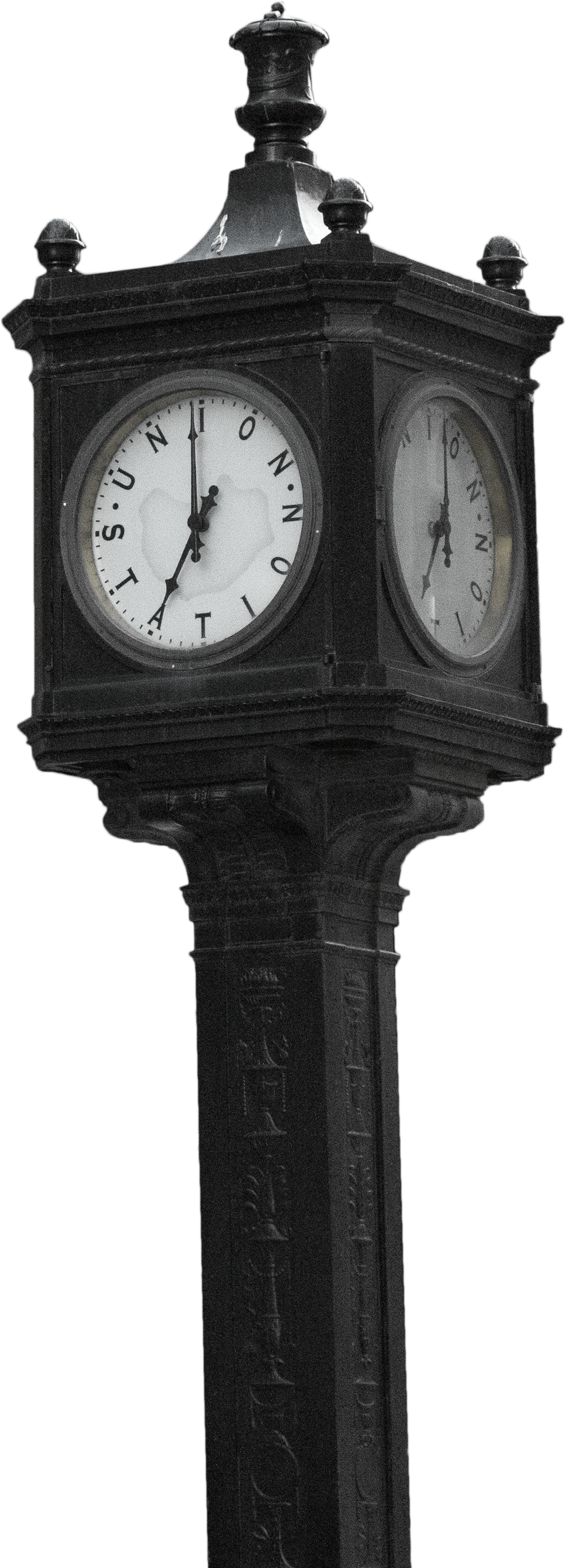
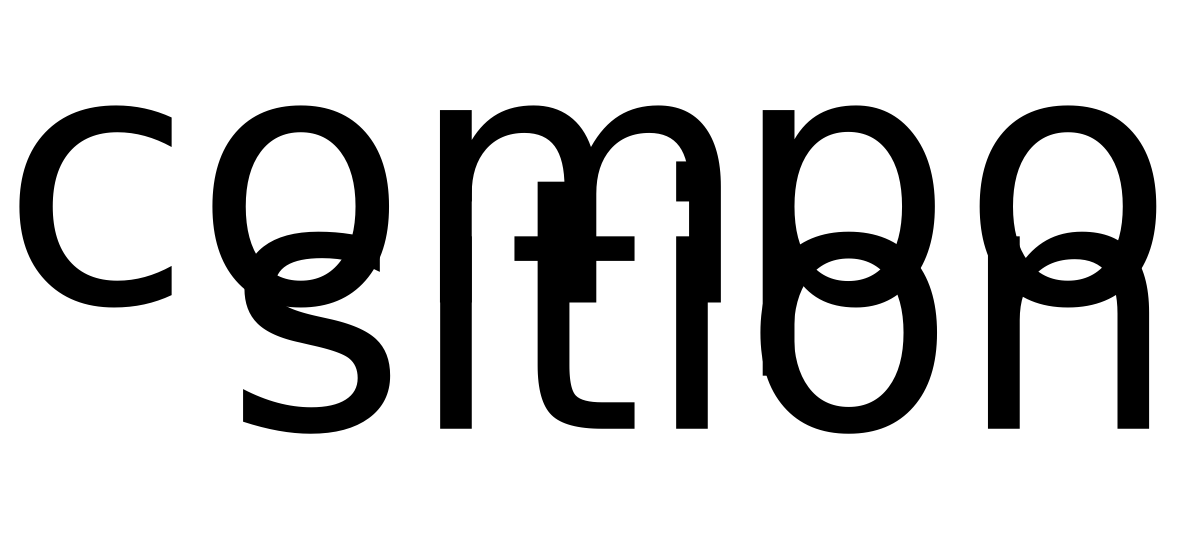
It isn’t well known whether Carson has designed a typeface himself, though there are many misattributed to him. Instead, Carson was better known for creating new type styles from the manipulation of existing typefaces. Aside are a few samples of this from his work on rebranding Western union. Carson uses a few different techniques to obscure the legibility of the type: he overlays serif and sans serif, substitutes an ‘e’ for the letter ‘m’ in the sans serif type, changes the orientation of the letters, and uses print effects and overlays to add noise and distortion within the type. The effect of this on the observer is that it prevents it from being as readable on first glance, forcing them to search the noise for hints as to what the message might be. The reason these examples work so well is that they obscure everything but the key identifiers of the letter forms. Even where the letters cover each other, their counters are quite clear, especially in the ‘s’ and ‘e’ letter forms. The ‘m’, turned into an ‘E’ in the way it's rotated, appeals to the observer’s recognition of three horizontal lines as an uppercase ‘E’ symbol.
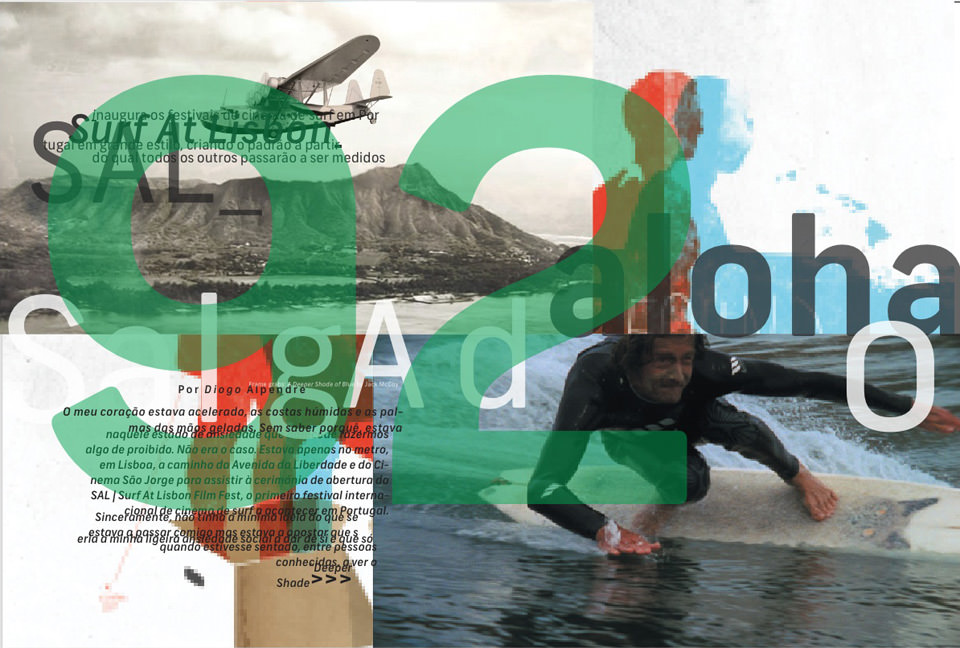
The composition of Carson’s design is one of the most amazing aspects of his work. Carson appears to approach the layout in the way a photographer approaches a subject; a collection of elements that can only be changed with a change in perspective. The composition Carson did for the August 2012 issue of Surf Portugal magazine. The first immediate aspect of this composition that really jumps out is the placement of elements along the thirds of the page; following this ‘rule-of-thirds’ creates asymmetry in a way that naturally shifts the human eye, and is extremely common in photography as a general rule of thumb for good composition.
The other interesting aspect of this piece is the way it guides the eye; first the large green numbers pull you out and to the left, where the smaller text and images then pull you back in, before drifting right to the contrasting red, and then down back to the left where body text is. This is a level of movement that is difficult to get when elements are arranged neatly into a grid, and in no way would the elements be able to keep their cohesion as they do in this piece under those circumstances.